About Malvern
The historic spa town nestled at the foot of the scenic Malvern Hills.
History Of Malvern
Malvern, founded in the 1800s during the Victorian era, features houses predominantly constructed from granite, much of which was quarried locally, including the one opposite the house (Earnslow).
The use of local granite gives the town a distinct architectural character. Malvern's growth is closely tied to its reputation as a spa town, owing to the exceptional purity of its waters. The town became known for its therapeutic spa experiences, thanks to the pristine natural springs that drew attention.
This reputation for purity led to a period of rapid development, transforming Malvern into one of England’s most desirable wellness destinations. Elegant villas, hotels, and hydropathic establishments were built to accommodate visitors seeking rest and rejuvenation, many of which still define the town’s character today. The legacy of this era can be seen throughout Great Malvern, where historic buildings sit harmoniously against the dramatic backdrop of the hills.
Even today, Malvern water remains famously unspoiled, naturally filtered through ancient rock formations over thousands of years. This unique geological process contributes to its clarity and mineral balance, and continues to be a defining feature of the area’s identity, linking modern day Malvern to its rich spa heritage.
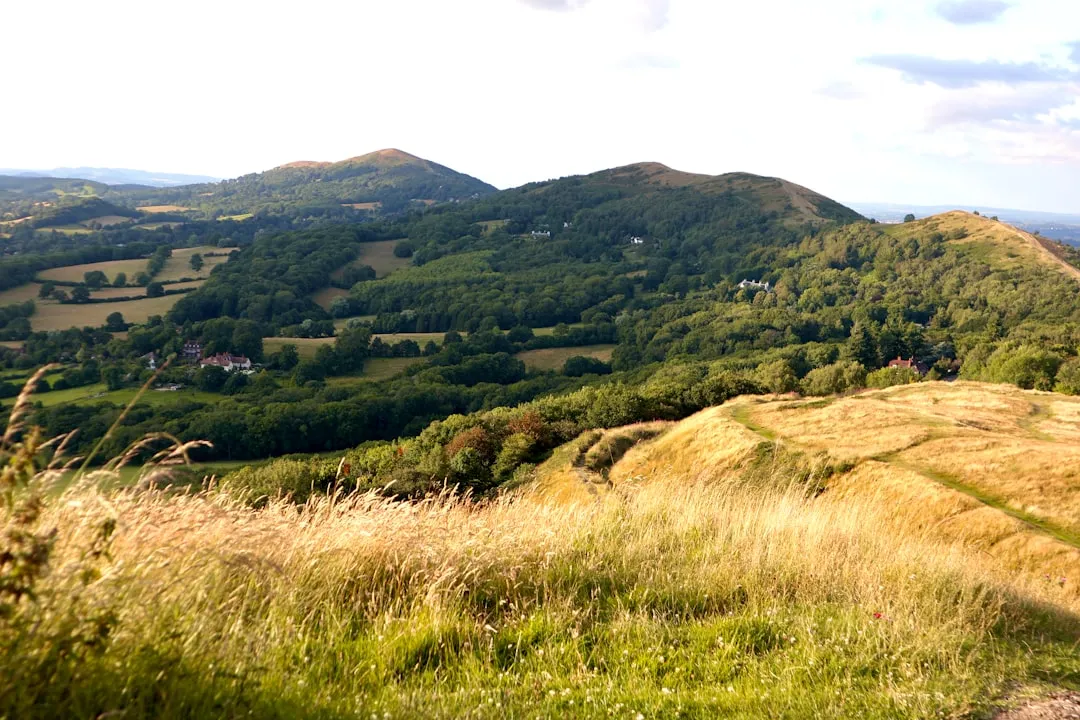
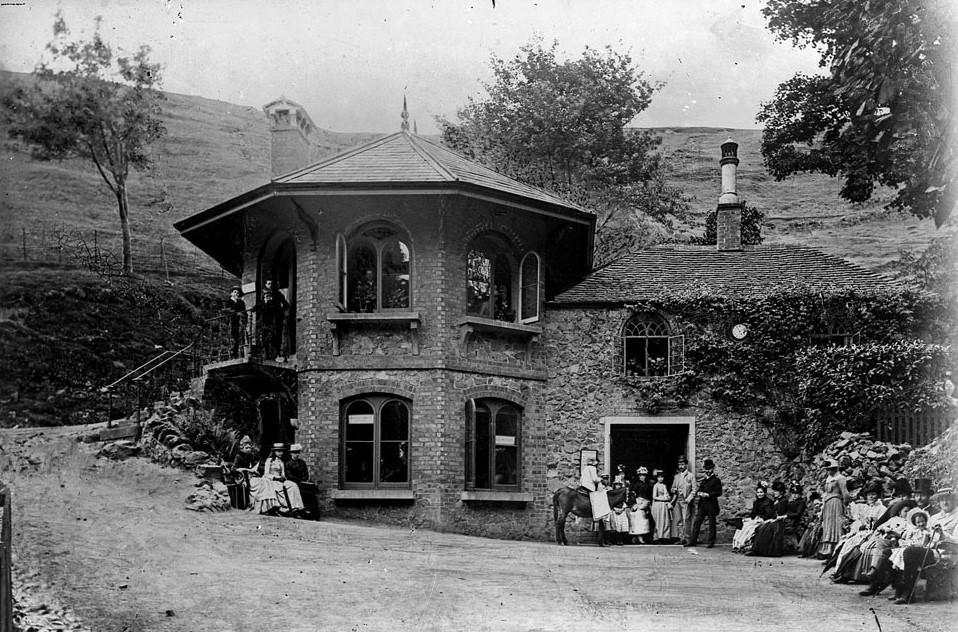
The Victorians, attracted by the reputed purity of both the air and Malvern water, began visiting the town. They would ascend the hills to inhale the fresh air and partake in water cure treatments at St Ann’s Well.
Transportation up the hills often involved donkeys, and remnants of the donkey sheds can still be seen when walking this historic route today. These “water cure” treatments became highly fashionable during the 19th century, drawing visitors from across Britain and beyond.
Malvern quickly gained a reputation as a place not only for healing, but also for reflection and inspiration, attracting writers, thinkers, and notable historical figures seeking both physical and mental restoration in its tranquil setting.
In 1851, Charles Darwin brought his ailing daughter Anne to Malvern, hopeful that the water cure might restore her health. Although her condition did not improve, this moment remains a poignant part of the town’s history, and she is buried at the nearby Great Malvern Priory, a site that continues to draw quiet reflection from visitors.
Malvern’s cultural significance extends beyond its spa heritage. Edward Elgar, one of Britain’s most celebrated composers, lived in the area and found endless inspiration in the surrounding landscape. The rolling contours and expansive views of the Malvern Hills are often said to echo through his music, adding another layer of artistic legacy to this already remarkable setting.
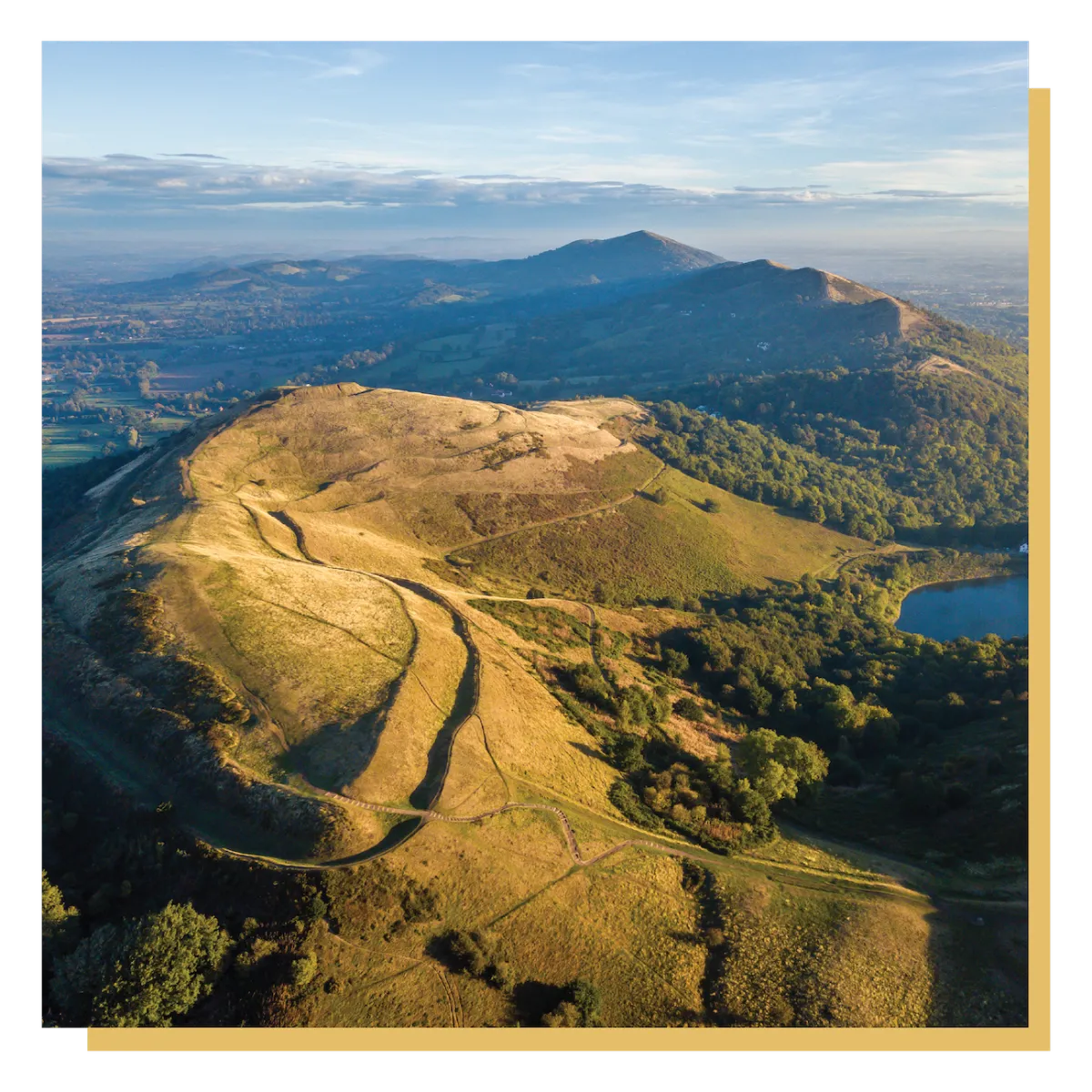
History Of Malvern
Malvern, founded in the 1800s during the Victorian era, features houses predominantly constructed from granite, much of which was quarried locally, including the one opposite the house (Earnslow).
The use of local granite gives the town a distinct architectural character.Malvern's growth is closely tied to its reputation as a spa town, owing to the exceptional purity of its waters. The town became known for its therapeutic spa experiences, thanks to the pristine natural springs that drew attention.
The Victorians, attracted by the reputed purity of both the air and Malvern water, began visiting the town.
They would ascend the hills to inhale the fresh air and partake in water cure treatments at St Anne's Well. Transportation up the hills involved donkeys, and remnants of the donkey shed, can still be seen when ascending the hills via St Anne's Well.
Due to the reputed healing properties of the water, in 1851, Charles Darwin brought his ailing 10-year-old daughter, Anne Elizabeth, to Malvern in the hopes of restoring her health. Unfortu-nately, despite the efforts, her health continued to decline, and she is buried in the Priory Church graveyard.
Sir Edward Elgar, the celebrated English composer, had deep ties to Malvern, residing in the area for a significant portion of his life. The Malvern Hills frequently served as inspiration for his compositions.
Come & Visit The Malverns
Come and explore the beauty of the Malvern Hills and book your stay at Number ThirtySeven Today!